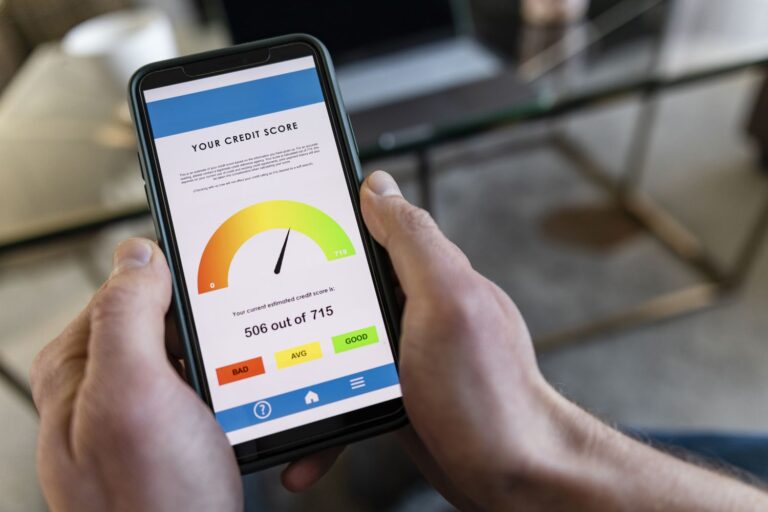
Managing your finances has become easier than ever thanks to modern mobile apps. These apps help you track spending, create budgets, save money, and even invest—all from your smartphone. Whether you are a beginner or someone looking to improve financial discipline, the right app can completely transform how you handle money.
In 2026, finance apps are smarter, more automated, and more user-friendly than ever before. They provide real-time insights into your spending habits and help you make better financial decisions.
This article explores the best apps for managing your finances and how each one can help you achieve financial stability.
Why Use Finance Apps?
Finance apps are designed to simplify money management. Instead of manually tracking expenses, these apps automatically categorize transactions and give you a clear overview of your financial health.
Key Benefits
- Track income and expenses in real-time
- Set budgets and financial goals
- Monitor savings and investments
- Reduce unnecessary spending
- Improve financial discipline
Using a finance app can help you stay organized and make smarter financial choices.
Top Apps for Managing Your Finances
Here are some of the best and most popular finance apps you can use in 2026:
1. YNAB (You Need A Budget)
Best for: Budgeting and debt management
YNAB is one of the most powerful budgeting apps available. It follows a zero-based budgeting method, where every dollar is assigned a purpose.
Key Features:
- Helps you control spending
- Focuses on debt reduction
- Offers financial education tools
YNAB is especially useful for people who want to build strong financial habits and get out of debt faster.
2. PocketGuard
Best for: Simple expense tracking
PocketGuard helps you understand how much money you can safely spend after covering your bills and savings.
Key Features:
- Tracks daily spending
- Shows “safe-to-spend” amount
- Helps avoid overspending
It’s a great option for beginners who want a simple and clean interface.
3. Rocket Money
Best for: Subscription management
Rocket Money is ideal for tracking subscriptions and reducing unnecessary expenses.
Key Features:
- Finds and cancels unwanted subscriptions
- Tracks bills
- Budgeting tools included
It’s particularly helpful if you want to cut down on hidden or recurring expenses.
4. Monarch Money
Best for: All-in-one financial management
Monarch Money offers a complete overview of your finances, including budgeting, investments, and net worth tracking.
Key Features:
- Tracks multiple accounts in one place
- Investment monitoring
- Goal tracking
It’s perfect for users who want a complete financial dashboard.
5. Quicken Simplifi
Best for: Everyday money management
Quicken Simplifi is a modern, easy-to-use finance app that helps you stay on top of your spending and savings.
Key Features:
- Budget tracking
- Spending insights
- Mobile-friendly interface
It is ideal for users who want a simple yet powerful financial tool.
6. Goodbudget
Best for: Envelope budgeting
Goodbudget uses a traditional envelope system to help you allocate money for different expenses.
Key Features:
- Manual budgeting system
- Great for beginners
- Encourages disciplined spending
This app is perfect for those who prefer a hands-on budgeting approach.
7. Empower (Personal Capital)
Best for: Investment tracking
Empower provides a complete financial overview, including your investments, savings, and net worth.
Key Features:
- Tracks investments
- Retirement planning tools
- Net worth analysis
It’s best suited for users who are serious about wealth building.
8. Credit Karma
Best for: Credit monitoring
Credit Karma helps you monitor your credit score and improve your financial health.
Key Features:
- Free credit score tracking
- Financial insights
- Personalized recommendations
It’s a great tool for improving your credit and financial awareness.
Comparison Table of Top Finance Apps
| App Name | Best For | Key Feature |
|---|---|---|
| YNAB | Budgeting | Zero-based budgeting |
| PocketGuard | Expense tracking | Safe-to-spend feature |
| Rocket Money | Subscriptions | Bill & subscription tracking |
| Monarch Money | All-in-one management | Full financial dashboard |
| Quicken Simplifi | Daily budgeting | Spending insights |
| Goodbudget | Envelope budgeting | Manual expense planning |
| Empower | Investment tracking | Net worth analysis |
| Credit Karma | Credit monitoring | Free credit score |
How to Choose the Right Finance App
Choosing the best app depends on your financial goals and lifestyle.
Consider These Factors:
- Ease of use: The app should be simple and user-friendly
- Features: Choose based on your needs (budgeting, investing, saving)
- Security: Ensure your data is protected
- Cost: Some apps are free, others require subscriptions
The right app should make managing money easier, not more complicated.
Conclusion
Finance apps have become essential tools for managing money effectively. Whether you want to track expenses, save more, reduce debt, or invest wisely, there is an app designed for your needs.
From powerful tools like YNAB to simple apps like PocketGuard, each option offers unique features that can help you take control of your finances. The key is to choose an app that fits your goals and use it consistently.
With the right financial app, you can build better habits, make smarter decisions, and move closer to financial freedom.
FAQs
1. Are finance apps safe to use?
Yes, most finance apps use strong encryption and security measures to protect your data.
2. Which finance app is best for beginners?
PocketGuard and Goodbudget are great options for beginners due to their simplicity.
3. Are these apps free?
Many apps offer free versions, but some premium features may require a subscription.
4. Can finance apps help save money?
Yes, they track spending and help you identify areas where you can save.
5. Do I need multiple finance apps?
Not necessarily. One good app with the right features is usually enough.
About the Author